Can a Hot Air Brush Straighten Hair? Everything You Need to Know
Can a Hot Air Brush Straighten Hair? Everything You Need to Know
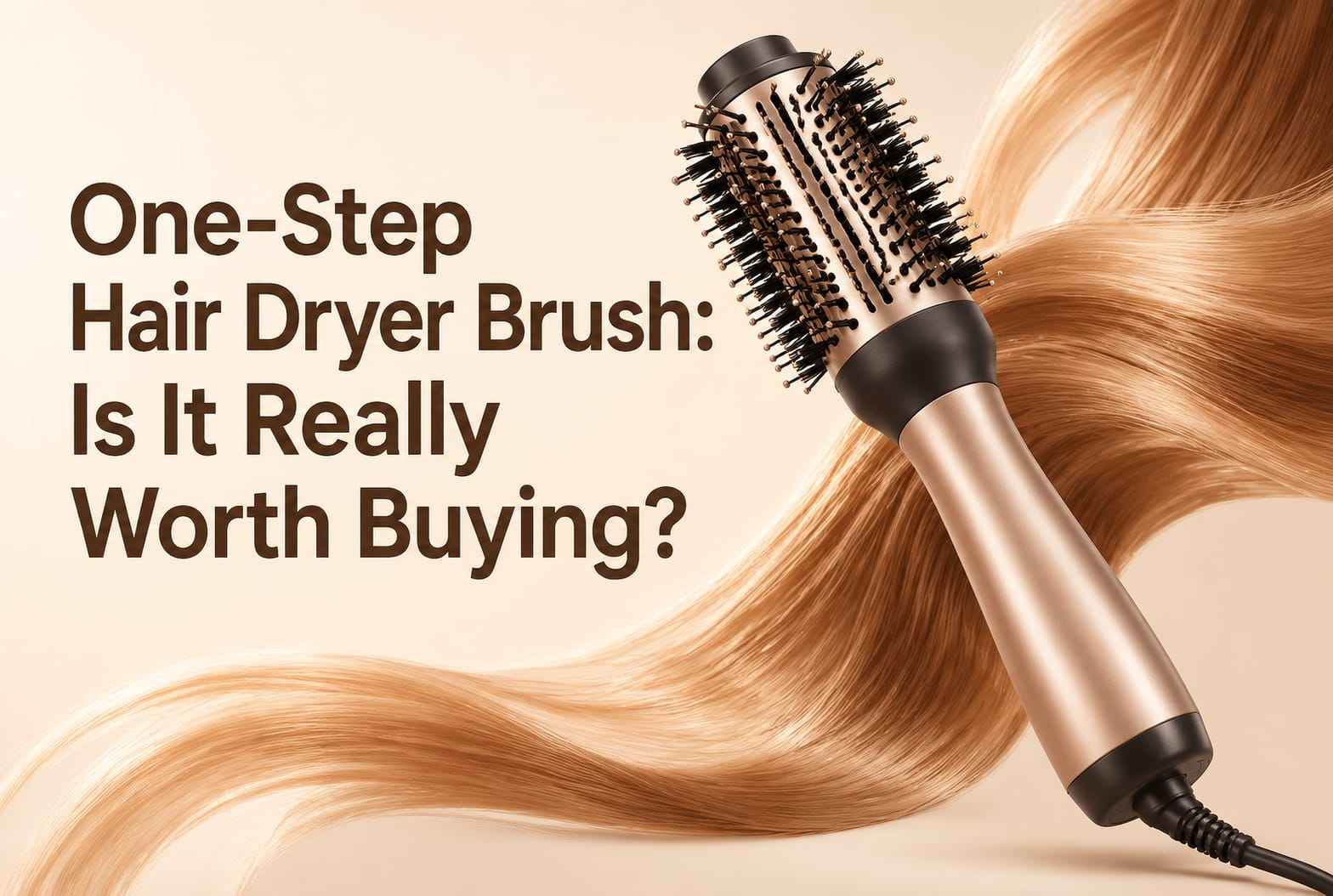
If you are asking “can a hot air brush straighten hair?”, the short answer is yes. A hot air brush can help smooth, stretch, and straighten the appearance of many hair types while also drying and adding volume.
However, a hot air brush does not always create the same ultra-flat finish as a traditional flat iron. Its result is usually softer, fuller, and more natural-looking. The final appearance depends on the brush design, airflow, heat setting, hair texture, starting moisture, section size, technique, and finishing routine.
This guide explains how a hot air brush straightens hair, what results to expect, how to use one correctly, and how to decide whether it is right for your hair.
Can a Hot Air Brush Straighten Hair?
Yes, a hot air brush can straighten hair by combining airflow, controlled heat, brushing, and gentle tension. As the brush moves through a section, it helps align the strands, reduce visible puffiness, and shape the hair into a smoother, straighter-looking finish.
A hot air brush is especially useful when you want to dry and style your hair in the same routine. It can help create a smooth blowout, soften waves, lift the roots, and polish the ends.
What Does “Straighten” Mean With a Hot Air Brush?
With a hot air brush, straightening usually means stretching and smoothing the hair rather than pressing every strand completely flat. The result may retain natural movement, body, or a slight bend at the ends.
Smoother, Straighter-Looking Hair
A hot air brush can help reduce the appearance of flyaways and create a more aligned surface. The brush guides the hair while the airflow and heat support the shape.
The result is often smooth and wearable rather than pin-straight.
A Soft Blowout Finish
Many users choose a hot air brush because they want straight hair with volume. The brush can lift the roots and curve the ends slightly instead of creating a flat finish.
This makes it useful for a polished everyday style, especially when a completely flat look is not the goal.
Why It May Not Match a Flat Iron
A flat iron uses heated plates to press a small section of dry hair between two surfaces. A hot air brush uses airflow, heat, brushing, and tension.
Because the mechanisms are different, a hot air brush may not provide the same level of sleekness, definition, or humidity resistance as a flat iron. It may be better for a natural blowout than for a glass-like finish.
Can a Hot Air Brush Straighten Curly or Wavy Hair?
A hot air brush may help stretch and smooth curly or wavy hair, but the outcome varies. Curl pattern, density, porosity, starting moisture, section size, and technique all affect the result.
For Wavy Hair
Wavy hair may become visibly smoother and straighter after a careful blow-dry brush routine. Use manageable sections and guide the brush from the roots toward the ends.
If you want to preserve some movement, curve the ends slightly rather than pulling them completely straight.
For Curly Hair
A hot air brush can soften or stretch curls, but it may not create a fully straight result in one pass. Dense or tightly curled hair may require more sectioning and a slower routine.
Set realistic expectations. The purpose may be to smooth and elongate the curl pattern rather than eliminate every natural bend.
For Coily or Very Dense Hair
A hot air brush may be used as part of a longer stretching and smoothing routine if the specific tool and technique are suitable. Work with smaller sections and avoid forcing the brush through tangles.
If the hair is fragile, severely dry, or chemically processed, use extra caution and consider professional guidance.
How Does a Hot Air Brush Straighten Hair?
A hot air brush supports a straighter appearance through several actions that work together.
Airflow Helps Dry and Align the Hair
Airflow removes moisture while moving across the hair surface. When the hair is guided in one direction, it can dry into a smoother shape.
The exact effect depends on the tool’s design and the hair’s starting condition. Do not assume every hot air brush has the same airflow performance.
Heat Helps Shape the Hair
Moderate heat can make damp hair more flexible while it is being brushed and shaped. The hair then cools into the direction created during styling.
More heat is not automatically better. Use the lowest effective setting and follow the appliance instructions.
Brushing Creates Direction and Tension
The brush helps guide the hair from the roots through the lengths. Gentle tension can stretch a wave or curl and help the strands lie more smoothly.
Tension should be controlled, not forceful. If the brush catches or pulls, stop and detangle rather than continuing through resistance.
Cooling Helps the Shape Set
Allowing the hair to cool after shaping can help preserve the smoother form. If the hair is immediately disturbed, it may return more quickly to its original texture.
If the tool includes a cool-air option, use it according to the manual. Do not treat a cool-air button as a guarantee of a fixed hold time.
What to Do Before Straightening Hair With a Hot Air Brush
Preparation affects the efficiency, comfort, and finish of the styling process.
Start With the Correct Hair Condition
Check whether your model is designed for damp, towel-dried, or dry hair. The phrase “hot air brush” does not mean every appliance should be used on soaking-wet hair.
Remove Excess Water When Appropriate
If the manufacturer recommends towel-dried hair, gently remove excess water before styling. Hair that is dripping wet may take longer to dry and can make the process less controlled.
Avoid rough towel rubbing, which may increase tangling and surface frizz.
Detangle Before Using the Appliance
Gently remove major tangles before bringing a heated brush through the hair. Start at the ends and work upward through difficult areas.
Pre-detangling can reduce pulling and make it easier to guide the brush evenly.
Read the Product Instructions
Before the first use, check the recommended starting hair condition, heat settings, cleaning method, attachments, and safety warnings.
Two appliances with similar shapes may have different requirements.
Apply Heat Protection Correctly
Use a product intended for heat styling and follow its label. Heat protection should support safer styling habits, not encourage unlimited heat exposure.
Avoid applying excessive product, especially if your hair is fine or easily weighed down.
Divide the Hair Into Sections
Sectioning gives the brush better access to the hair and makes the straightening motion more consistent.
Use Larger Sections for a Faster, Softer Finish
Larger sections may work for lightly wavy hair when you want a relaxed smooth finish. The brush must still be able to reach the section evenly.
Use Smaller Sections for Thick or Curly Hair
Smaller sections allow more control and more consistent contact. They may take longer, but they can help the airflow and brush reach the hair more evenly.
Keep Unused Hair Clipped Away
Clip the hair you are not working on so it does not mix with the active section. This also helps you repeat the same technique throughout the head.
How to Straighten Hair With a Hot Air Brush
The following routine is a general guide for creating smooth, straighter-looking hair. Adapt every step to the specific tool instructions and your hair’s needs.
Step 1: Create a Manageable Section
Begin with a section that can move smoothly through the brush. Do not start with more hair than the brush can dry and shape evenly.
Start at the Lower Sections
Many people find it easier to begin at the nape and lower sides before moving upward. This keeps the top layers separate and makes the final shape easier to control.
Adjust the Section Size as Needed
If the inside of the section remains damp, the result looks uneven, or the brush struggles to move, make the section smaller.
Do not automatically increase heat to compensate for oversized sections.
Step 2: Position the Brush Near the Roots
Place the brush close to the roots without pressing hot surfaces against the scalp. Lift gently if you want root volume.
Create Root Lift Without Over-Pulling
For a smooth blowout, lift the root slightly before guiding the brush downward. This creates a straighter shape with body rather than a flat result.
Keep the Scalp Comfortable
If the heat feels too strong or the hair is being pulled, move the brush away and adjust the angle or section. Comfort is more important than forcing a result.
Step 3: Guide the Brush From Roots to Ends
Move the hot air brush slowly and steadily through the section. Keep the hair aligned with the brush rather than twisting it around the barrel.
Use Consistent Direction
For a straighter finish, guide the brush downward or in the direction recommended by the manufacturer. Consistent direction helps prevent random bends.
Keep the Brush Moving
Avoid holding heat in one place for a prolonged period. A controlled, continuous motion can help distribute heat and airflow more evenly.
Curve the Ends if You Want a Softer Finish
If you want smooth hair with movement, gently turn the brush inward or outward at the ends. If you want a straighter appearance, minimize the curve without pulling aggressively.
Step 4: Repeat Only When Necessary
Check the section before making another pass. If it is already smooth, avoid unnecessary repeated heat.
Focus on Uneven Areas
If only the ends or a small area remain wavy, work on that area instead of restyling the entire section.
Use a Lower or Moderate Setting When Possible
Start with a lower or moderate setting and increase only if needed and permitted by the instructions. Hair type and section size may matter more than maximum heat.
Step 5: Let the Section Cool
Allow the hair to cool in its smoother shape before brushing it again or applying additional product.
Use Cool Air if Available
If your appliance includes a cool-air function, use it according to the manual. Cooling can be incorporated into the finishing process, but results vary by hair type and environment.
Avoid Immediate Rough Handling
Do not immediately brush, tie, or pull the warm section. Gentle handling helps preserve the shape you created.
Step 6: Finish the Style Lightly
Once all sections are complete, assess the overall shape before adding product.
Use a Small Amount of Finishing Product
A light smoothing product may help manage flyaways. Apply it sparingly so that the hair keeps its movement and volume.
Check the Ends
If the ends look dry, avoid repeated heat. Use a suitable product according to its label and consider adjusting the technique at the next styling session.
How to Get Smoother Results With a Hot Air Brush
A smooth finish comes from preparation, direction, section control, and moderation.
Keep the Brush Close to the Hair Surface
Guide the hair over the brush so that the bristles or surface can control the section. Avoid letting the section swing freely away from the brush.
Use Gentle, Even Tension
Tension helps stretch waves and curls, but excessive pulling can cause discomfort and breakage. Use only enough tension to keep the section aligned.
Work in the Direction of the Cuticle
A controlled root-to-end motion can help the hair look smoother. Avoid rough back-and-forth movements that create tangles and frizz.
Finish the Top Layers Last
The top layers are most visible. Styling them last allows you to adjust the amount of volume and smoothness after the lower sections are complete.
Avoid Overloading the Hair With Product
Heavy layers of oil, cream, or spray can make the hair look flat or cause the style to lose volume. Choose products based on the finish you want.
How to Reduce Frizz With a Hot Air Brush
A hot air brush may help create a smoother appearance, but it cannot remove every source of frizz. Humidity, texture, dryness, friction, and technique all matter.
Detangle Before Applying Heat
Tangles can make the brush catch and create uneven tension. Gently detangle before styling and stop if the brush meets resistance.
Use Controlled Sections
Small, organized sections are easier to smooth consistently than large, tangled sections.
Avoid Excessive Heat and Repeated Passes
More heat does not guarantee less frizz. Excessive heat may leave the hair feeling dry, which can make the finish look less polished.
Use a Suitable Smoothing Product
Apply a heat-compatible smoothing product according to its label. Use a lighter amount on fine hair and avoid applying product directly to the scalp unless instructed.
Consider Humidity and Weather
Humidity can affect the appearance of straightened hair, especially when the natural texture is wavy or curly. Do not promise a fixed result in every climate.
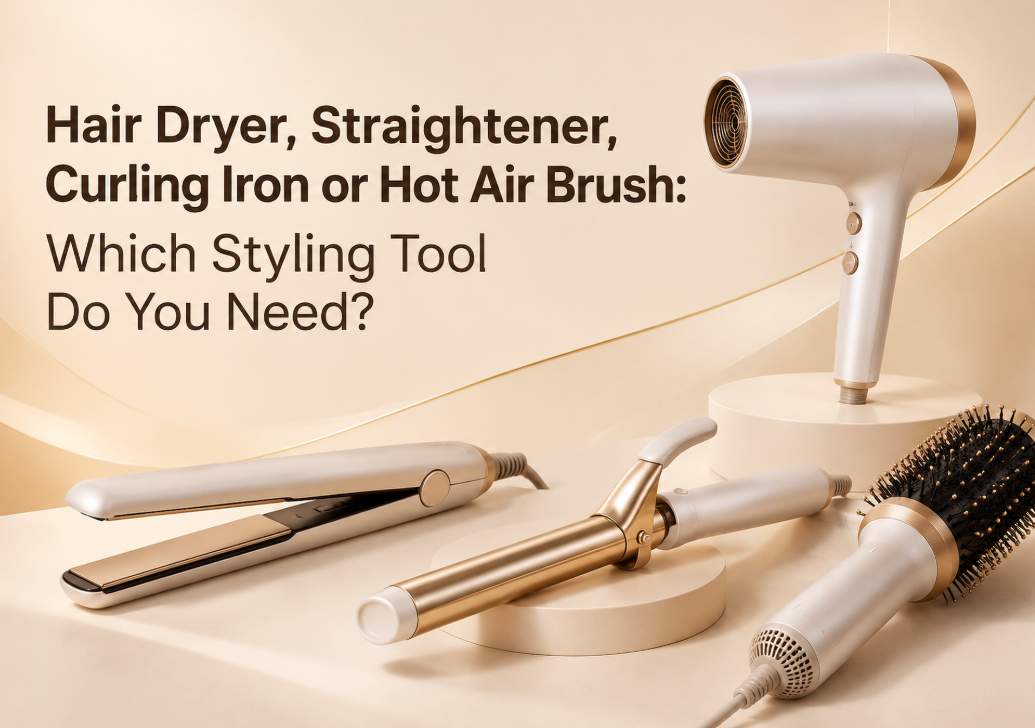
Hot Air Brush vs. Flat Iron: Which Is Better?
The better tool depends on the finish you want, your hair condition, and your preferred routine.
| Comparison point | Hot air brush | Flat iron |
|---|---|---|
| Main method | Airflow, heat, brushing, and tension | Heated plates and direct pressure |
| Typical finish | Smooth blowout with movement and volume | Flatter, sleeker, more defined finish |
| Starting hair condition | Depends on the model; often damp or towel-dried hair | Usually used on dry hair according to the instructions |
| Styling workflow | Can dry and shape in one routine | Usually a separate smoothing step after drying |
| Best suited to | Natural straightening, volume, and rounded ends | More precise sleekness and defined straight styles |
| Learning curve | Familiar brush motion for many users | Requires controlled sectioning and plate handling |
| Main limitation | May not create a completely flat finish | Can reduce volume and requires careful heat control |
When a Hot Air Brush May Be the Better Choice
A hot air brush may be a good match if you want to combine drying and styling, maintain root volume, or create a soft blowout finish.
It may also suit users who prefer guiding a brush through the hair instead of clamping sections between plates.
When a Flat Iron May Be More Suitable
A flat iron may be more suitable if you want a very sleek, flat appearance or need to refine small areas after the hair is dry.
It still requires appropriate heat control, dry-hair use when specified, and careful handling.
Can a Hot Air Brush Replace a Flat Iron?
Sometimes, but not for every user or every finish. A hot air brush can replace a flat iron when your goal is smooth, natural, voluminous hair. It may not replace a flat iron when you want an ultra-sleek finish, precise edge control, or maximum straightness.
The answer depends on your hair texture, styling goal, and willingness to accept a softer result.
Is a Hot Air Brush Less Damaging Than a Straightener?
It is not accurate to assume that a hot air brush is automatically damage-free or always less damaging than a straightener. Heat exposure, temperature, contact time, repeated passes, starting hair condition, and technique all influence risk.
A hot air brush may feel gentler for some routines because it combines drying and shaping and may use less direct plate pressure. However, this is not a universal performance or safety guarantee.
Heat Styling Habits Matter
Use the lowest effective setting, reduce repeated passes, and avoid holding heat in one place. Follow the instructions for the tool and use appropriate heat protection.
Fragile Hair Needs Extra Caution
If your hair is severely dry, fragile, breaking, or recently chemically treated, consider reducing heat styling and seeking advice from a qualified hair professional.
Do not use cosmetic styling content to make medical or repair claims about damaged hair.
Is a Hot Air Brush Right for Your Hair Type?
A hot air brush can be useful for many hair types, but the technique and expectations should change according to the hair.
For Fine Hair
Use manageable sections, lightweight products, and the lowest effective heat. Focus on smoothing without removing all root volume.
For Thick Hair
Use smaller sections and allow sufficient time for the tool to work through the hair. Do not rush by taking oversized sections or applying maximum heat immediately.
For Wavy Hair
A hot air brush may smooth the wave pattern while preserving some body. Use consistent direction for a straighter look or curve the ends for a softer finish.
For Curly Hair
Decide whether your goal is stretching, smoothing, or temporary straightening. Smaller sections and careful tension may be needed, but a single routine may not create a pin-straight result.
For Short Hair
Choose a brush profile that can reach shorter sections without tangling. Focus on root direction and the ends, using controlled movements around the face.
For Long Hair
Divide the hair into organized sections and work from the lower layers upward. Long hair may require more time to dry and shape evenly.
Common Hot Air Brush Straightening Mistakes
Using the Tool on Hair That Is Too Wet
If the tool is not designed for soaking-wet hair, starting too wet can make the process inefficient and difficult to control. Follow the manual.
Taking Sections That Are Too Large
Large sections may prevent the airflow and brush from reaching the inner hair. The result can look smooth on the surface while remaining wavy underneath.
Pulling Too Hard
Excessive tension does not guarantee a straighter finish. It can make the routine uncomfortable and may increase mechanical stress on the hair.
Holding Heat in One Place
A stationary appliance can expose one area to unnecessary heat. Keep the brush moving according to the instructions.
Making Too Many Passes
Repeatedly restyling already smooth hair adds exposure without necessarily improving the finish. Focus only on areas that need additional work.
Skipping the Cooling Step
Warm hair can lose its shape when immediately brushed, tied, or exposed to friction. Let it cool before finishing.
Expecting a Flat-Iron Finish
A hot air brush is usually best for a smooth blowout and natural straightening. If you expect a completely flat finish, you may judge the tool unfairly.
How to Choose a Hot Air Brush for Straightening Hair
If you are comparing products, consider the following practical factors instead of relying only on broad marketing claims.
Brush Shape and Size
Choose a shape that fits your hair length and desired finish. A larger profile may support volume and broad movement, while a more compact profile may be easier to control on short layers.
Heat and Airflow Settings
Look for clearly documented settings and instructions. The number of settings alone does not prove that a product is better.
Starting Hair Condition
Confirm whether the appliance is designed for towel-dried, damp, or dry hair. This affects how it fits into your routine.
Tangle Control and Handling
The brush should move through your hair without repeated snagging when used correctly. Consider the handle, weight, cord or power design, and whether you can comfortably reach the back of your head.
Cleaning and Storage
Check how to remove hair and product residue, how to clean the appliance, and how to store it after it cools.
Instructions and Warranty
Clear instructions and accessible warranty information can make a product easier to use and support after purchase. Do not assume that a product is suitable for your hair type if the documentation does not explain it.
Final Takeaway: Can a Hot Air Brush Straighten Hair?
A hot air brush can straighten hair in the sense that it can smooth, stretch, and align many hair types while drying and adding volume. It is often a practical choice for a natural blowout, softer straight style, or rounded ends.
It may not create the same ultra-flat result as a flat iron, especially on tightly curly, very dense, or humidity-sensitive hair. The best results come from correct sectioning, gentle tension, controlled movement, suitable heat protection, and a proper cooling step.
Choose a hot air brush if you value a combined drying-and-styling routine and a smooth finish with movement. Choose a flat iron when maximum sleekness and precise straightening are your main priorities.
📬 Contact Information
Contact Person: Jenny
Tel / WhatsApp / WeChat: +86 137 1719 2238
Address: No. 12, Donghuan 2nd Road, Huangjiang Town, Dongguan, Guangdong, China
For partnership inquiries, distribution, private label OEM, or large-scale projects, please reach out directly.
Welcome to Hongya!
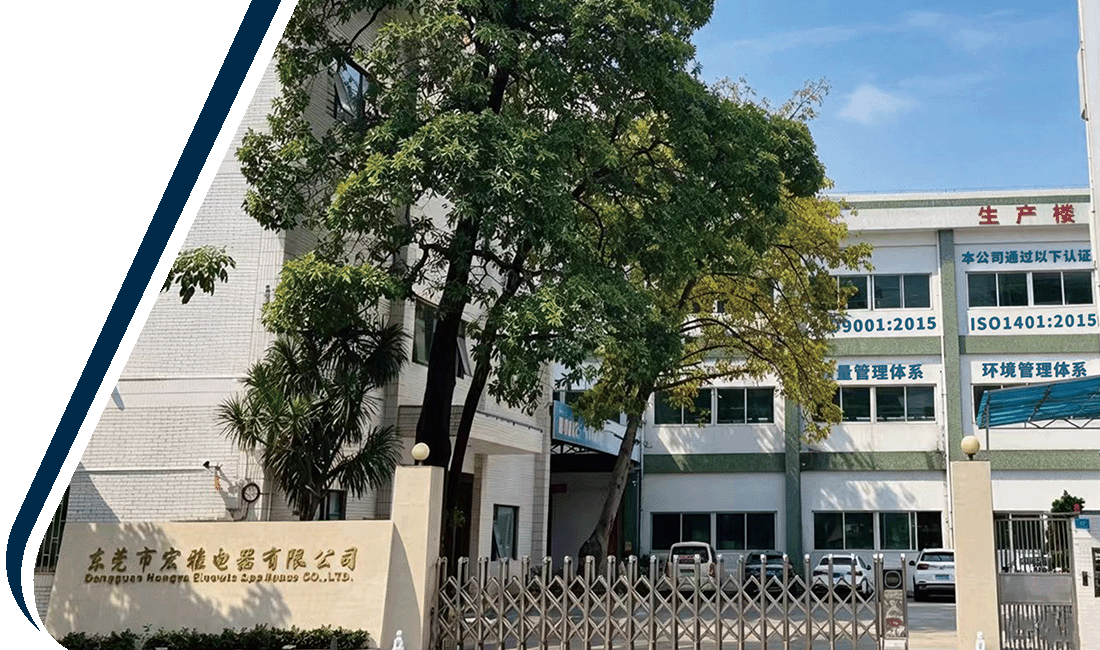
17+ years OEM/ODMproduction experience.
Main products include: HairDryers, Hot Air Brush, HairStraighteners, Hair Curlers,Hair Straightener Brushes,etc.
20+R&D staff
280+ employees.
15000+ ㎡ factories.
100,000+ PCS MonthlyProduction.
Currently developing200+ products.
Patents/Certifications support Online Query.
Can a Hot Air Brush Curl Hair? Tips for Creating Soft, Bouncy Curls
Related Article
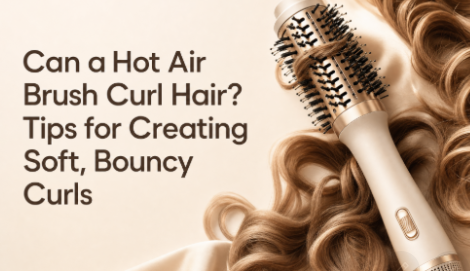
However, the result is usually more relaxed than the result from a curling iron. A hot air brush is designed to combine drying, brushing, smoothing, and shaping, so it is often best for a bouncy blowout look rather than tightly defined ringlets.