Hair Dryer, Straightener, Curling Iron or Hot Air Brush: Which Styling Tool Do You Need?
Hair Dryer, Straightener, Curling Iron or Hot Air Brush: Which Styling Tool Do You Need?
Choosing between a hair dryer, straightener, curling iron, or hot air brush depends on the result you want, your hair type, and how much heat and styling time you can manage. A dryer is best for drying and building a foundation. A straightener creates a smooth, sleek finish. A curling iron forms defined curls and waves. A hot air brush combines drying, brushing, and light shaping in one step.
This guide explains which styling tool you actually need, how the four tools differ, and how to use heat more safely.
Quick answer: which styling tool should you choose?
| Your main goal | Best first choice | Why |
|---|---|---|
| Dry wet hair quickly | Hair dryer | Removes moisture and supports many finishing techniques |
| Straight, polished hair | Straightener | Smooths and shapes dry hair with heated plates |
| Defined curls or waves | Curling iron | Creates more controlled curl patterns |
| Volume, smoothness, and soft bends | Hot air brush | Dries and shapes hair at the same time |
| A flexible tool for different looks | Hair dryer with attachments | Works with a diffuser, concentrator, or round brush |
| Treating head lice | None of these regular styling tools | Use an evidence-based lice treatment and a fine-tooth comb |
Hair dryer: the best tool for drying and styling flexibility
A hair dryer is the most versatile starting point for many routines. It dries wet hair, adds movement, and can prepare the hair before a straightener, curling iron, or hot air brush is used.
What a hair dryer does best
A dryer is useful when you want to:
- Dry hair after washing
- Reduce dripping and shorten preparation time
- Create a smooth blowout with a round brush
- Add root lift with a concentrator nozzle
- Define natural texture with a diffuser
- Prepare hair before another heat-styling tool
A concentrator focuses airflow for a smoother finish. A diffuser spreads airflow and can help reduce the disruption of curls and waves. Adjustable heat and speed settings are more useful than a single high-temperature setting because different hair types need different levels of control.
Is a hair dryer good for every hair type?
Yes, but the technique matters. Fine or damaged hair generally benefits from lower heat, moderate airflow, and constant movement. Thick or coarse hair may need stronger airflow, but it still should not be held in one place for too long. Curly hair often benefits from a diffuser and lower airflow to help preserve its natural pattern.
A dryer works best when excess water is gently removed with a towel first. Keep the nozzle moving and finish with a cool shot if the tool provides one.

Straightener: the right choice for sleek, straight results
A straightener, also called a flat iron, uses heated plates to shape dry hair. It is the most direct choice for a smooth, straight finish and can also create bends or loose waves when used with the correct technique.
What a straightener does best
Choose a straightener when you want to:
- Create a sleek, polished look
- Smooth frizz and flyaways
- Refine the ends of a blowout
- Add a controlled bend or soft wave
- Finish a style after the hair is completely dry
A straightener is not designed to dry wet hair. Using it on damp hair can create excess steam and increase the risk of damage. Always dry the hair fully before clamping a section between the plates.
How to use a straightener with less damage
Prepare the hair
Use a heat protectant according to its label and detangle the hair gently. Divide the hair into manageable sections rather than repeatedly passing over the same large section.
Select an appropriate temperature
Start with the lowest setting that creates the result you want. Fine, bleached, or fragile hair usually needs less heat than thick, coarse hair. More heat is not automatically better; it can make the surface feel dry and brittle over time.
Use one controlled pass
Move the straightener steadily from the roots toward the ends without stopping on one area. Avoid pressing the plates directly against the scalp. If the style is not smooth, improve sectioning and technique before increasing the temperature.

Curling iron: the best tool for defined curls and waves
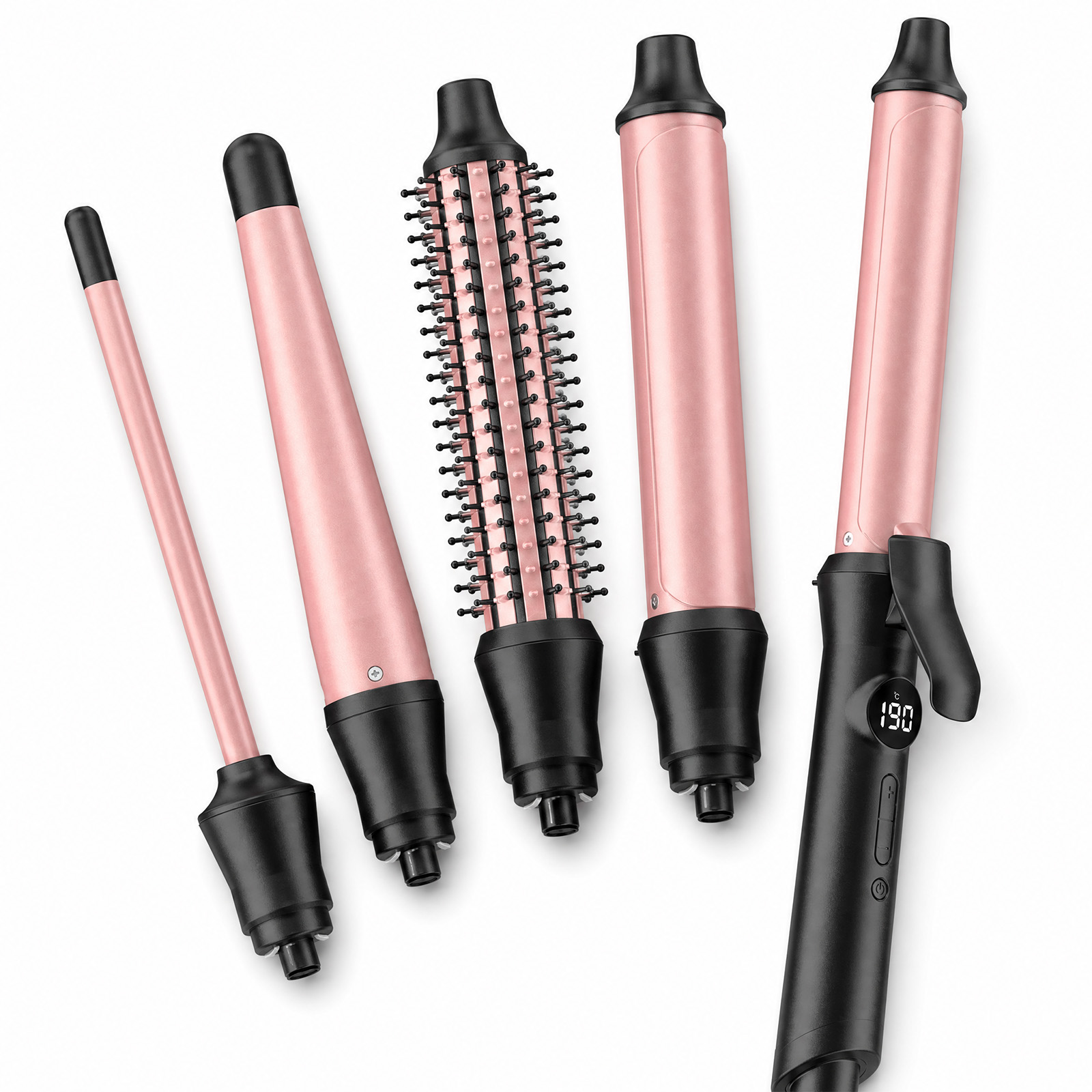
A curling iron uses a heated barrel to form a curl. Barrel size strongly affects the result: smaller barrels generally create tighter curls, while larger barrels create looser waves.
What a curling iron does best
A curling iron is a good choice for:
- Defined curls
- Beach-style waves
- Glamorous volume
- Face-framing bends
- Long-lasting curl patterns on suitable hair
Compared with a hot air brush, a curling iron usually produces a more defined and controlled result. It also requires dry hair and more section-by-section work.
How to choose the barrel size
Smaller barrel
A smaller barrel can create tighter curls or help shape shorter layers. It may also produce a longer-lasting pattern on hair that quickly loses curl.
Medium barrel
A medium barrel is a flexible option for everyday curls, waves, and mixed textures.
Larger barrel
A larger barrel creates softer waves and a loose, brushed-out finish. On very straight or fine hair, the result may relax sooner.
Curling iron safety basics
Keep the barrel away from the scalp, ears, neck, and fingers. Use a heat-resistant mat and never leave the tool unattended while it is switched on. Do not use a curling iron on wet hair, and do not apply it over hair coated with a product that is not designed for heat styling.
Hot air brush: the easiest option for volume and soft movement
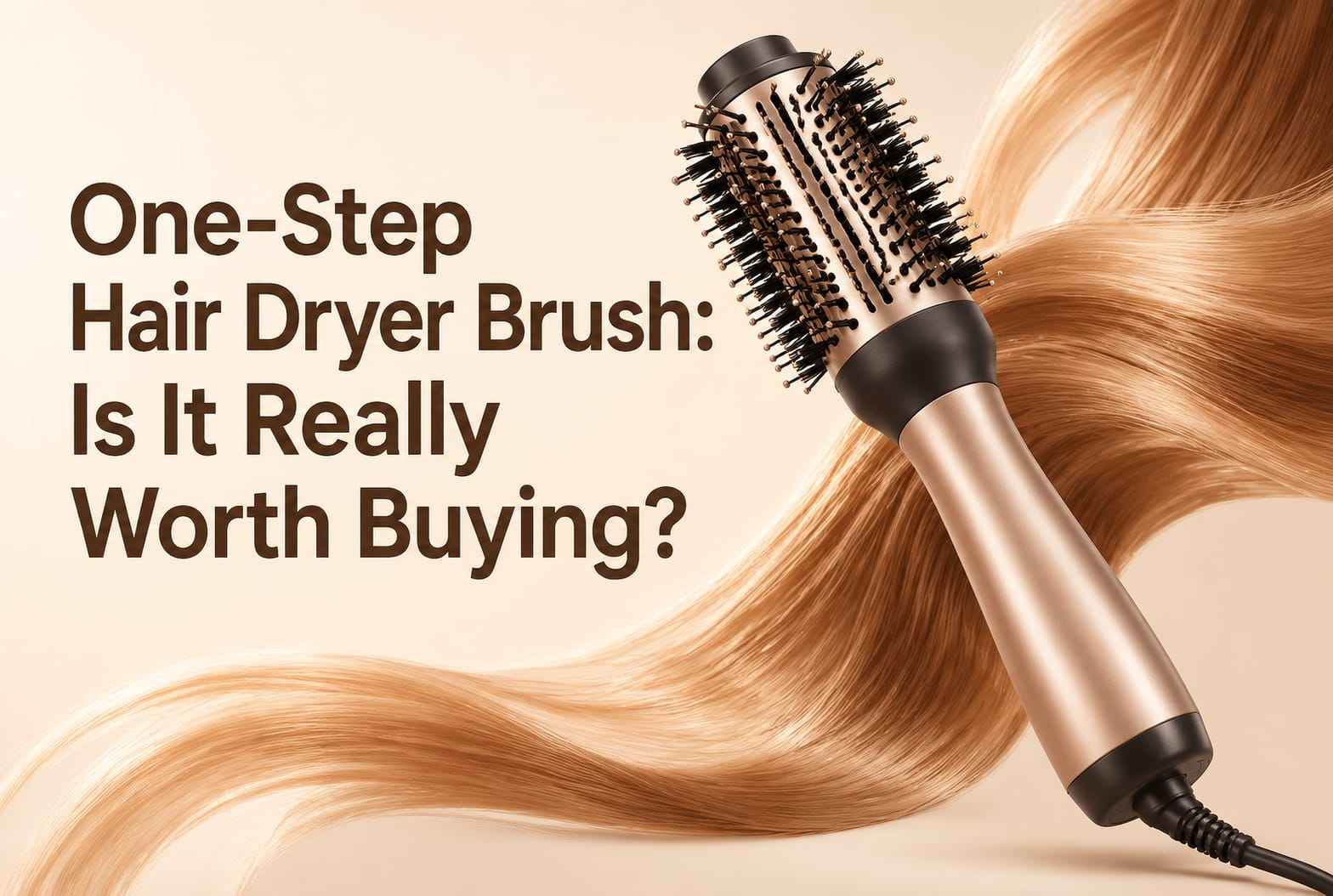
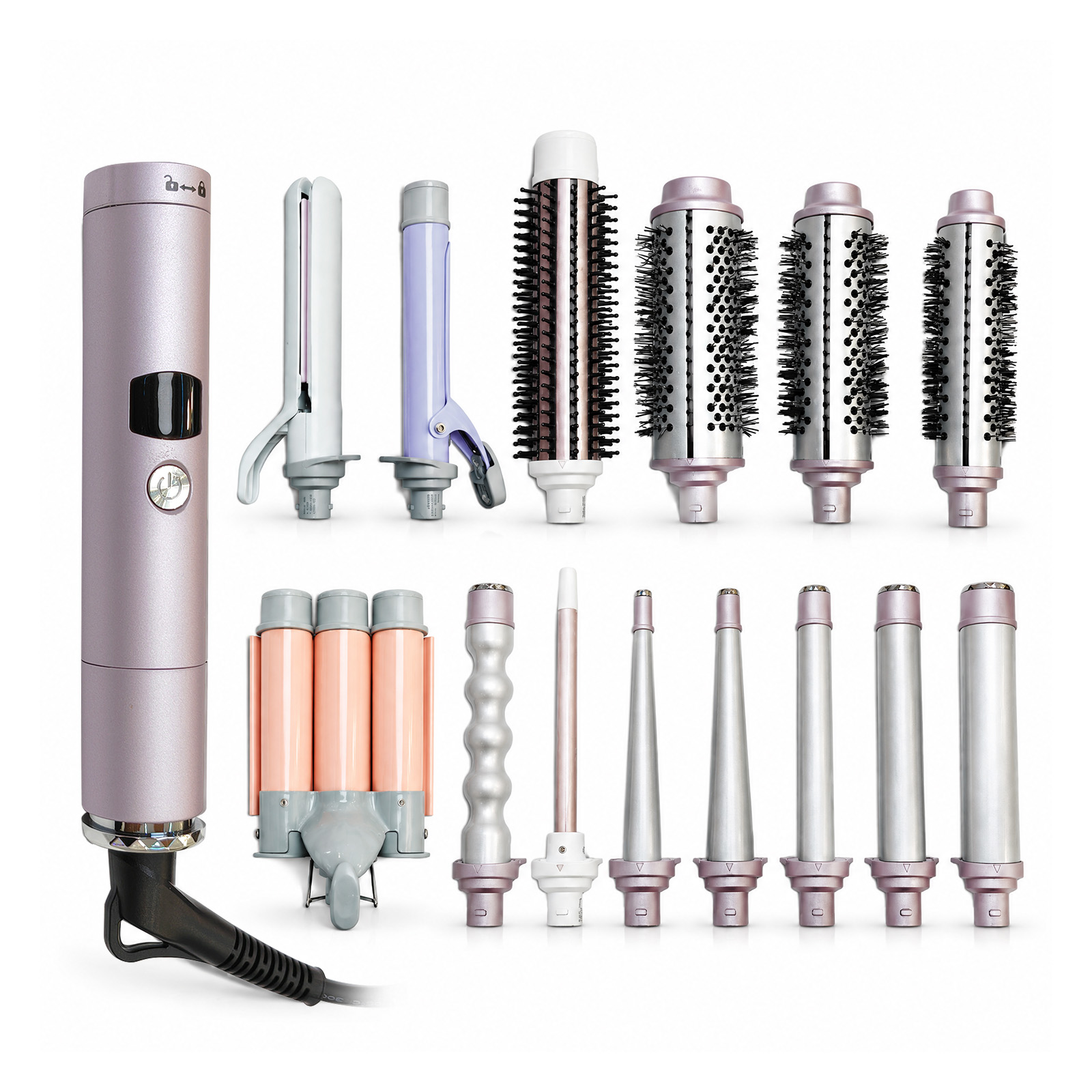
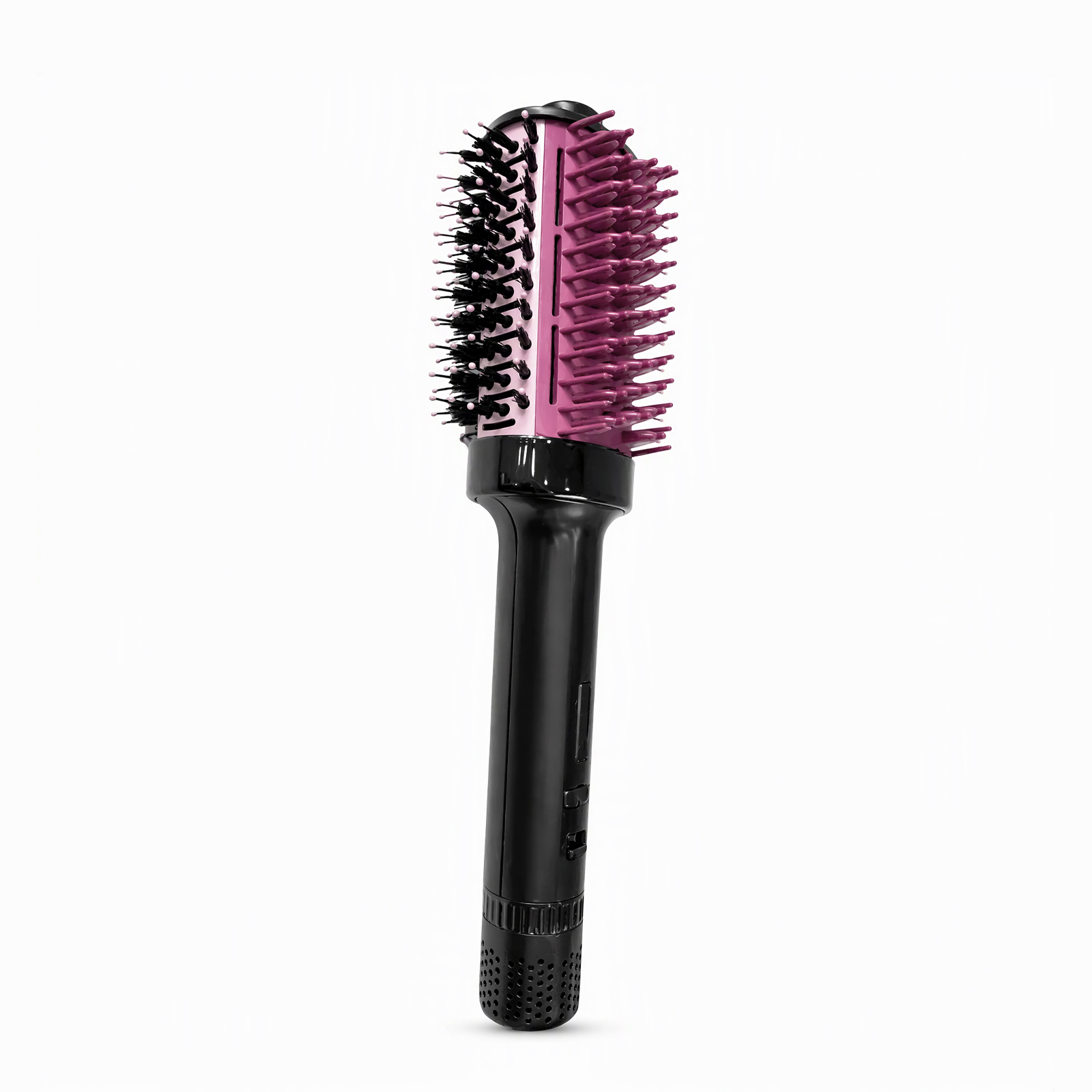
A hot air brush combines airflow with a heated brush surface or barrel. It is designed to dry and shape hair in one routine, making it popular for soft volume, curved ends, and a smoother blowout effect.
What a hot air brush does best
Choose a hot air brush when you want:
- Root volume
- A smooth blowout look
- Curved ends
- Soft waves rather than tight curls
- A simpler routine with fewer separate tools
A hot air brush is often easier for beginners than coordinating a dryer and round brush at the same time. However, it may not dry soaking-wet hair efficiently, and it generally cannot produce the same tight, defined curls as a curling iron.
Is a hot air brush suitable for fine or curly hair?
Fine hair may respond well to a lower heat setting and smaller sections. Avoid wrapping the same section around the barrel repeatedly. For curly hair, the result depends on whether you want to preserve the natural curl pattern or stretch it into a smoother shape. A diffuser may be a better choice when curl definition is the priority.
A hot air brush is still a heat-styling tool. “Air” does not mean “no heat,” so use a heat protectant, keep the brush moving, and avoid pulling aggressively at the roots.
Hair dryer vs straightener vs curling iron vs hot air brush
The biggest difference is the type of heat and the styling result. A hair dryer uses moving air to remove moisture. A straightener uses plates to press and reshape dry hair. A curling iron uses a barrel to create a defined curve. A hot air brush uses airflow and brushing tension to dry and shape at the same time.
Which tool causes the least heat exposure?
No tool is automatically damage-free. Actual exposure depends on temperature, contact time, frequency, hair condition, and technique. A lower-temperature dryer held at a safe distance may expose hair differently from a high-temperature straightener pressed directly onto a section. A hot air brush can reduce the number of separate steps, but it still uses heat.
Which tool is easiest for beginners?
A hair dryer with a concentrator or a hot air brush is usually the easiest starting point for a simple, smooth style. A straightener is straightforward for sleek hair but requires fully dry hair and careful sectioning. A curling iron provides more dramatic results but takes more practice because the barrel is hot and close to the hands and face.
Which tool is best for frequent styling?
For frequent use, prioritize adjustable heat, strong but controllable airflow, automatic shutoff, a comfortable grip, and a design that lets you work quickly without repeated passes. The best styling tool is the one that achieves your target result with the least unnecessary heat and tension.
How to choose a styling tool for your hair type
Fine, fragile, or bleached hair
Choose adjustable low-to-medium heat, work with small sections, and avoid repeated passes. A dryer or hot air brush may be more forgiving than a high-temperature straightener if your goal is soft movement rather than a very flat finish.
Thick or coarse hair
Look for strong airflow, effective temperature control, and attachments that help you direct the hair. A dryer can create the foundation, while a straightener or curling iron can refine the final shape.
Curly or coily hair
A diffuser is useful for preserving natural texture. If you want a stretched or smoother look, use controlled airflow and low tension. Heat protectant and sectioning are especially important because repeated high heat can change the feel and appearance of the hair.
Short hair or layered hair
A smaller hot air brush, narrow concentrator, or small curling barrel may offer better control. Keep hot surfaces away from the scalp and use shorter styling passes.
Heat-styling safety checklist
Before using any styling tool:
- Read the manufacturer’s instructions.
- Use the lowest effective heat setting.
- Apply a suitable heat protectant as directed.
- Work on dry hair unless the tool is specifically designed for damp hair.
- Keep hot surfaces moving and away from the scalp.
- Use a heat-resistant surface.
- Check the cord, plug, and housing for damage.
- Switch the tool off and unplug it after use.
- Never use styling heat as a substitute for medical treatment.
- If using a lice medicine, check its label for warnings about heat and electrical appliances.
Final verdict: match the tool to the result
Choose a hair dryer for drying, preparation, and maximum styling flexibility. Choose a straightener for sleek, smooth results. Choose a curling iron for defined curls and waves. Choose a hot air brush for a simpler routine with volume, smoothness, and soft movement.
📬 Contact Information
Contact Person: Jenny
Tel / WhatsApp / WeChat: +86 137 1719 2238
Address: No. 12, Donghuan 2nd Road, Huangjiang Town, Dongguan, Guangdong, China
For partnership inquiries, distribution, private label OEM, or large-scale projects, please reach out directly.
Welcome to Hongya!
17+ years OEM/ODMproduction experience.
Main products include: HairDryers, Hot Air Brush, HairStraighteners, Hair Curlers,Hair Straightener Brushes,etc.
20+R&D staff
280+ employees.
15000+ ㎡ factories.
100,000+ PCS MonthlyProduction.
Currently developing200+ products.
Patents/Certifications support Online Query.
One Hair Tool, Multiple Hairstyles: Why Multi-Stylers Are So Popular?
5-in-1 Hair Dryer and Styler: Is One Tool Enough for Your Daily Routine?
Related Article
However, the result is usually more relaxed than the result from a curling iron. A hot air brush is designed to combine drying, brushing, smoothing, and shaping, so it is often best for a bouncy blowout look rather than tightly defined ringlets.