
How Does a Steam Hair Straightener Work? Benefits and Styling Tips
How Does a Steam Hair Straightener Work? Benefits and Styling Tips
A steam hair straightener combines heated styling plates with controlled steam to smooth, straighten, and shape the hair. Unlike a traditional flat iron, it uses water vapor as part of the styling process. This can help soften the hair temporarily, reduce friction during styling, and create a smooth finish when the tool is used correctly.
But how does a steam hair straightener work in practice? Is a steam straightener better for damaged hair? Can you use one every day? And what is the safest way to style with steam and heat?
This guide explains the technology, benefits, limitations, and best styling techniques so you can decide whether a steam hair straightener is right for your routine.
Quick Answer: How Does a Steam Hair Straightener Work?
A steam hair straightener works by heating water in an internal reservoir and releasing a controlled stream of vapor near the styling plates. As the plates pass over a small section of hair, the combination of heat, pressure, and steam temporarily softens the hair fibers and helps align them into a smoother shape.
The plates then press and polish the section as it moves through the tool. The result can be straighter, shinier-looking, and more manageable hair. However, steam does not eliminate heat damage. The tool still uses high temperatures, so proper preparation and technique are essential.

What Is a Steam Hair Straightener?
A steam hair straightener is a heated styling tool with two main systems:
- Heated plates: These apply heat and pressure to reshape the hair.
- Steam system: This heats water and releases vapor through small openings near the plates.
Some models include adjustable temperature settings, removable water tanks, ceramic or other coated plates, comb attachments, or continuous steam output. The exact design varies by model, so always follow the product manual for water type, temperature ranges, and operating instructions.
How Is It Different from a Traditional Flat Iron?
A traditional flat iron relies primarily on heated plates. A steam hair straightener adds vapor to the process. The steam may make hair feel more flexible while it is being styled, which can help the plates glide more smoothly through certain hair textures.
The main difference is not that steam makes heat harmless. The difference is that steam becomes an additional styling element that may improve manageability and reduce the need to repeatedly pass over the same section.
How Does a Steam Hair Straightener Work Step by Step?
Understanding the process makes it easier to use a steam straightener safely and effectively.
Step 1: Water Is Heated in the Reservoir
The tool contains a small water reservoir. When the straightener is switched on, an internal heating element warms the water and converts it into vapor.
Use only the water recommended in the instruction manual. Some models are designed for filtered or distilled water, while others may specify a different requirement. Incorrect water can contribute to mineral buildup or affect the steam system.
Step 2: Steam Is Released Near the Plates
The vapor travels through small openings positioned beside or near the heated plates. Depending on the design, steam may be released continuously or only when the plates are closed around a section of hair.
The steam should be controlled and directed toward the hair, not sprayed toward the scalp, face, or hands.
Step 3: Heat and Vapor Soften the Section Temporarily
Hair is made from a protein structure that responds to heat, moisture, tension, and pressure. Steam adds controlled water vapor while the hair is being styled. This can make the section feel more flexible and easier to guide.
This effect is temporary. After the hair cools and dries, it retains the shape created by the tool. The result depends on hair condition, texture, temperature, section size, and technique.
Step 4: The Plates Align and Smooth the Hair
As the tool moves from the roots toward the ends, the plates apply heat and gentle pressure. This helps align the hair strands and smooth the outer surface.
A slow, steady pass is usually more effective than stopping in one place or making many quick passes. Excessive tension or repeated passes can increase the risk of dryness and breakage.
Step 5: The Hair Cools into the New Shape
Hair should be allowed to cool before brushing, tying, or exposing it to humidity. Cooling helps the newly styled shape set more evenly.
For a straighter finish, guide the section downward as it cools. For soft bends or movement, rotate the tool slightly while keeping it moving at a controlled speed.
Benefits of a Steam Hair Straightener
The benefits of a steam straightener depend on the tool, hair type, and styling method. Steam is not a guarantee of healthier hair, but it may offer practical advantages when used responsibly.
1. Smoother Styling for Coarse or Resistant Hair
Coarse, thick, or highly textured hair can require more preparation before it becomes smooth. The added vapor may help make a section feel more pliable, allowing the plates to move through it with less resistance.
For resistant hair, separate the hair into smaller sections and choose a temperature that is high enough to style efficiently without using unnecessary heat.
2. Potentially Fewer Passes Over Each Section
If the steam helps the tool glide through the hair, you may be able to achieve the desired result with fewer passes. Fewer passes can be helpful because repeated exposure to high heat may increase dryness and surface damage.
This is a technique benefit, not a promise that steam prevents damage. The result still depends on section size, temperature, speed, and the condition of the hair.
3. A Smooth, Polished Appearance
The combination of aligned strands, controlled tension, and heated plates can create a sleek appearance. Steam may help reduce the rough feeling that some people experience when straightening dry or coarse hair.
For a more polished finish, use a fine-tooth comb or the tool's integrated comb attachment if the manufacturer recommends it. Keep the comb and plates moving together rather than pulling aggressively.
4. Better Manageability During Styling
A steam hair straightener may make hair easier to detangle and control while styling. This can be useful for thick hair, frizzy hair, or hair that becomes difficult to guide with a standard flat iron.
Remember that manageability during styling does not mean the hair has been repaired. Split ends and chemical damage cannot be reversed by steam or heat.
5. Versatile Straight and Wavy Styles
Many steam straighteners can create more than a straight look. With the right plate shape and hand position, you can create:
- Straight, sleek hair
- Soft waves
- Curved ends
- Face-framing bends
- Smooth ponytail sections
The technique is similar to using a regular flat iron, but the steam output and water reservoir may make the tool heavier or require additional handling.
Is a Steam Hair Straightener Better for Damaged Hair?
A steam hair straightener is not automatically safer for damaged hair. Damaged, bleached, chemically treated, or very dry hair is more vulnerable to heat and mechanical stress, regardless of whether the tool uses steam.
If your hair is damaged, use the lowest effective temperature, apply a heat protectant made for your hair type, work with small sections, and avoid repeated passes. Do not use the tool on hair that is wet unless the specific product is clearly designed and approved for wet use.
Steam may help the tool move more smoothly, but it does not repair the hair's internal structure or restore split ends. If your hair is breaking, snapping, or shedding unusually, reduce heat styling and consult a qualified hair professional or medical professional as appropriate.
How to Use a Steam Hair Straightener Safely

Correct preparation is one of the most important parts of steam straightener styling.
Prepare the Hair Before Styling
Start with clean, detangled, fully dry hair unless the manufacturer explicitly states that the model can be used on damp hair. Apply a suitable heat protectant evenly from mid-lengths to ends, then allow any wet product to dry before using the hot tool.
Avoid applying large amounts of oil before high-heat styling. Some oils can make the hair feel heavy, and using too much product may increase smoke or residue on the plates.
Fill and Check the Water Reservoir
Fill the reservoir according to the manual. Do not overfill it, and do not add perfume, essential oils, conditioner, or other substances unless the manufacturer specifically permits them.
Check that the tank is correctly closed before turning on the tool. Empty the reservoir after use if the instructions recommend it, and clean the steam openings as directed.
Select the Lowest Effective Temperature
Use a lower temperature for fine, fragile, bleached, or chemically treated hair. Medium settings may suit normal hair, while thicker or coarser hair may require a higher setting.
There is no single best temperature for every person. The correct setting is the lowest one that produces the desired result with controlled passes.
Work in Small, Even Sections
Divide the hair into manageable layers. Sections that are too large may not receive even heat or steam, leading to repeated passes. Sections that are too small may increase styling time without improving the result.
Start below the roots rather than placing the hot plates directly against the scalp. Keep the tool moving and avoid holding it in one position.
Keep the Steam Away from Skin
Steam can be hot enough to burn. Keep your fingers, ears, neck, and scalp away from the steam openings and plates. Use a heat-resistant mat when setting the tool down.
If the device produces unexpected leaking, sputtering, or excessive steam, switch it off, unplug it, allow it to cool, and check the manual before using it again.
Styling Tips for Better Results
Tip 1: Detangle Before Applying Heat
Use a suitable brush or wide-tooth comb to remove knots before styling. A smooth section allows the tool to move evenly and reduces unnecessary pulling.
Tip 2: Dry the Hair Completely
Water on the hair can rapidly turn into steam when exposed to hot plates. Unless the product is specifically designed for wet or damp styling, use it only on completely dry hair.
Tip 3: Move from Roots to Ends
Place the tool below the root area and glide toward the ends in one controlled motion. Avoid pressing too tightly, especially on fine or fragile hair.
Tip 4: Use Tension Carefully
Gentle tension can help create a smooth result, but strong pulling can cause mechanical stress. Let the tool's plates and steam do the work instead of forcing the hair through quickly.
Tip 5: Reduce Humidity Exposure After Styling
Humidity can make straightened hair swell and lose its shape. Allow the hair to cool fully, then use a lightweight finishing product if needed. Choose a product that matches your hair type and does not leave excessive residue.
Tip 6: Clean the Plates and Steam Openings
Product buildup can affect glide, steam output, and styling consistency. After the tool has been unplugged and fully cooled, clean it according to the manufacturer's instructions.
Steam Hair Straightener vs. Traditional Flat Iron
| Feature | Steam hair straightener | Traditional flat iron |
|---|---|---|
| Main styling method | Heat, pressure, and water vapor | Heat and pressure |
| Water reservoir | Yes | Usually no |
| Styling feel | May feel more flexible or smooth on some hair types | Direct heated-plate styling |
| Best suited to | Hair that is coarse, thick, or difficult to manage, depending on the model | A wide range of hair types and simple styling routines |
| Main limitation | Requires water handling, cleaning, and safe steam control | Can require more preparation or repeated passes for resistant hair |
| Damage considerations | Still uses heat and tension | Still uses heat and tension |
Neither tool is universally better. A steam straightener may be useful if you want additional manageability during styling. A traditional flat iron may be more convenient if you prefer a simpler, lighter tool with no water reservoir.

How to Choose the Best Steam Hair Straightener
When comparing steam hair straighteners, focus on practical features rather than broad claims.
Temperature Control
Look for adjustable temperature settings so you can match the heat to your hair's thickness and condition. A single high-temperature setting offers less flexibility.
Plate Design and Size
Wider plates may cover more hair at once, while narrower plates can offer more control for short hair, bangs, or waves. Smooth, well-finished plates should glide without snagging.
Steam Control
Check whether the steam output is continuous, adjustable, or activated only when the plates close. A clear water-level indicator can make the tool easier to use.
Weight and Ergonomics
A water reservoir can add weight. Choose a design that feels balanced in your hand, especially if you have long or thick hair and expect longer styling sessions.
Cleaning and Maintenance
Read the maintenance instructions before buying. A tool that is difficult to clean may develop mineral buildup or reduced steam performance over time.
Safety Features
Useful safety features may include automatic shutoff, heat-resistant housing, an insulated tip, and a secure tank closure. Check the product documentation for the exact safety specifications rather than assuming every model includes the same features.
Common Mistakes to Avoid
Using the Tool on Wet Hair Without Approval
A steam function does not automatically mean the tool is safe for wet hair. Using a hot tool on wet hair can cause intense vapor and may increase the risk of hair damage or burns.
Choosing the Highest Temperature Immediately
High heat may produce a fast result, but it is not necessary for every hair type. Start lower and increase only when needed.
Taking Sections That Are Too Large
Large sections can prevent even contact with the plates. This often leads to repeated passes and uneven results.
Holding the Tool in One Place
A stationary hot tool concentrates heat on one area. Keep it moving at a steady speed from the root area toward the ends.
Ignoring the Water and Plate Maintenance
Minerals and styling products can build up inside the water system or on the plates. Regular maintenance helps preserve consistent performance.
Frequently Asked Questions About Steam Hair Straighteners
Does a steam hair straightener damage hair?
Any heated straightener can contribute to dryness or damage when used at excessive temperatures, too frequently, or with repeated passes. Steam does not remove the need for heat protectant, temperature control, and careful technique.
Can you use a steam hair straightener on dry hair?
Yes. Most steam hair straighteners are intended for dry hair, but you should confirm the instructions for your specific model. Dry the hair completely unless the manufacturer explicitly approves damp or wet use.
Is a steam straightener good for frizzy hair?
It may help create a smoother appearance by combining heat, pressure, and controlled vapor. Results vary according to hair texture, humidity, product buildup, and styling technique. Steam cannot permanently eliminate frizz or change the natural structure of the hair.
How often can you use a steam hair straightener?
There is no universal safe frequency. The appropriate schedule depends on hair condition, temperature, technique, and how much heat your hair can tolerate. If you notice increased dryness, roughness, breakage, or split ends, reduce heat styling and reassess your routine.
Do you need heat protectant with a steam straightener?
Yes. Steam does not replace heat protectant. Apply a suitable product according to its instructions and allow it to dry before using the heated tool, unless the product specifically states otherwise.
Can a steam hair straightener create waves?
Many models can create soft waves or curved ends if the plates and design support it. Rotate the tool gently while moving it through the section. Practice on a cool, switched-off tool first if you are unfamiliar with the motion.
What water should you put in a steam hair straightener?
Use the water type specified by the manufacturer. Some products recommend distilled or filtered water to reduce mineral buildup. Do not add fragrance, oils, conditioner, or other substances unless the instructions clearly allow them.
Final Takeaway: Is a Steam Hair Straightener Worth It?
A steam hair straightener works by combining heated plates, controlled water vapor, and gentle tension to reshape and smooth the hair temporarily. Its main advantages may include improved manageability, a smoother glide, and the ability to style coarse or resistant hair with fewer passes when used correctly.
However, steam is not a replacement for safe heat-styling habits. Use the lowest effective temperature, style fully dry hair unless the manual says otherwise, apply heat protectant, work in small sections, and keep the hot tool and steam away from skin.
If you often style thick, coarse, or difficult-to-manage hair, a steam model may be worth considering. If you prefer a lightweight and simple routine, a traditional flat iron may be more practical. The best choice depends on your hair type, styling goals, maintenance preferences, and ability to control heat responsibly.
📬 Contact Information
Contact Person: Jenny
Tel / WhatsApp / WeChat: +86 137 1719 2238
Address: No. 12, Donghuan 2nd Road, Huangjiang Town, Dongguan, Guangdong, China
For partnership inquiries, distribution, private label OEM, or large-scale projects, please reach out directly.
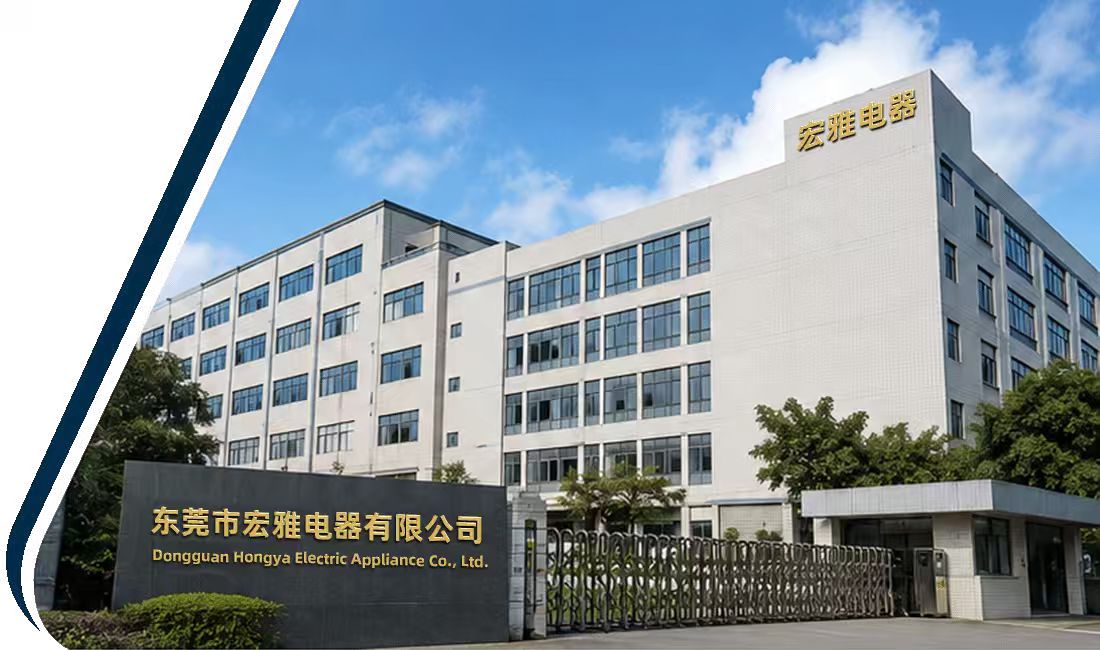
Welcome to Hongya!
17+ years OEM/ODMproduction experience.
Main products include: HairDryers, Hot Air Brush, HairStraighteners, Hair Curlers,Hair Straightener Brushes,etc.
20+R&D staff
280+ employees.
15000+ ㎡ factories.
100,000+ PCS MonthlyProduction.
Currently developing200+ products.
Patents/Certifications support Online Query.
Hair Straightening Brush for Thick Hair: Does It Really Work?
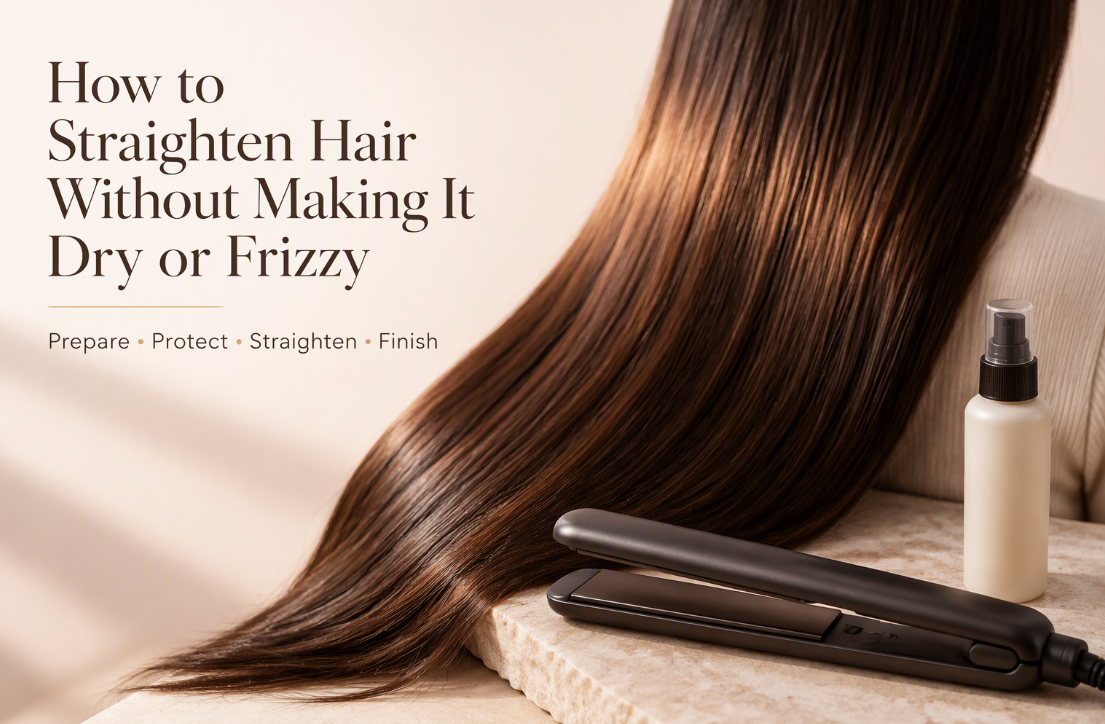
How to Straighten Hair Without Making It Dry or Frizzy
Related Article

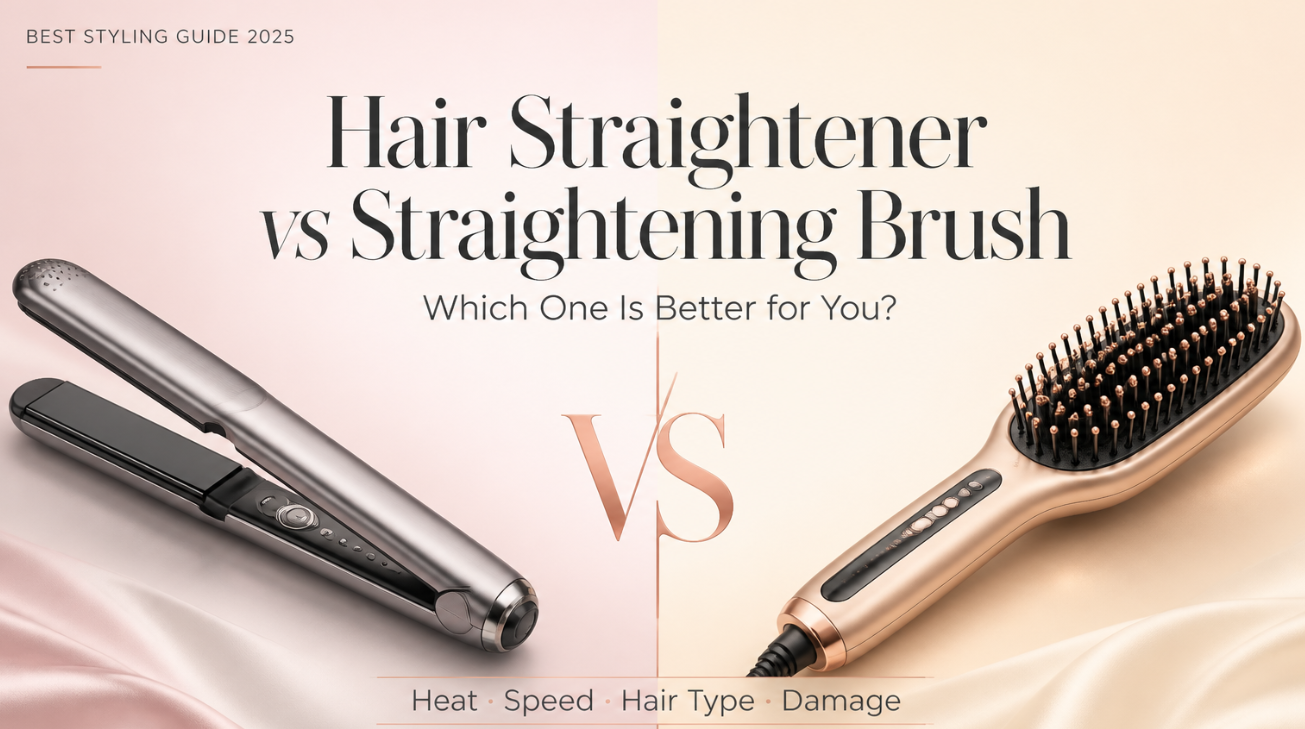
This guide breaks down the real differences so you can pick the right tool with confidence.