Hair Dryer Wattage Explained: How Many Watts Do You Need?
Hair Dryer Wattage Explained: How Many Watts Do You Need for the Best Results?
Choosing the right hair dryer is not only about design, features, or price. One of the most important factors that affects drying speed, airflow power, and styling performance is hair dryer wattage.
Many customers ask: “How many watts do I need for a hair dryer?” or “Is a higher watt hair dryer better?”
The answer depends on your hair type, styling needs, and how often you use your hair dryer.
What Does Hair Dryer Wattage Mean?
Understanding Hair Dryer Wattage
Hair dryer wattage refers to the amount of electrical power a hair dryer uses during operation.
Simply put:
- Higher wattage usually means stronger motor performance and more powerful airflow.
- Lower wattage usually means lighter airflow and slower drying speed.
A hair dryer wattage rating does not directly represent temperature. Instead, it affects:
- Airflow strength
- Drying efficiency
- Motor power
- Styling performance
For example:
- A 1200W hair dryer may be suitable for travel or light daily use.
- A 1600W–1800W hair dryer provides balanced performance for most users.
- A 2000W+ professional hair dryer offers stronger airflow for faster drying.
Hair Dryer Wattage Explained: How Many Watts Do You Need?
The ideal wattage depends on your hair thickness, length, and styling requirements.
1000W–1400W Hair Dryer
Best For:
- Fine hair
- Short hair
- Travel use
- Occasional styling
Advantages:
- Lightweight design
- Lower energy consumption
- Gentle drying experience
However, lower wattage hair dryers may take longer to dry thick or long hair.
1500W–1800W Hair Dryer
Best For:
- Everyday home use
- Medium-length hair
- Normal hair types
This wattage range is one of the most popular choices because it offers a good balance between:
- Drying speed
- Heat control
- Energy efficiency
- Styling flexibility
For most consumers searching how many watts do you need for a hair dryer, a 1600W–1800W model is usually a practical choice.
1800W–2200W Hair Dryer
Best For:
- Thick hair
- Long hair
- Professional styling
- Salon environments
High wattage hair dryers provide:
- Stronger airflow
- Faster drying time
- Better control for heavy hair
A professional hair dryer with high wattage is often preferred by hairstylists because it reduces styling time during busy salon routines.
Does Higher Wattage Mean a Better Hair Dryer?
A common question in hair dryer wattage explained: how many watts do you need is whether more watts always mean better performance.
The answer is: not always.
A higher wattage hair dryer can provide stronger airflow, but overall performance also depends on other technologies.
Important factors include:
Motor Type
A powerful motor improves:
- Air pressure
- Drying speed
- Product durability
For example, modern BLDC motors can provide high-speed airflow with efficient power consumption.
Heat Control Technology
Advanced temperature control helps prevent overheating.
Features such as:
- Smart heat sensors
- NTC temperature control
- Multiple heat settings
can improve hair protection.
Airflow Design
The internal airflow structure affects drying efficiency.
A well-designed hair dryer can deliver faster drying even with optimized wattage.
Best Hair Dryer Wattage for Different Hair Types
Fine or Thin Hair
Recommended:
1200W–1600W
Why?
Fine hair dries quickly and usually does not require extremely powerful airflow.
Benefits:
- Gentle drying
- Less heat exposure
- Better moisture protection
Normal Hair
Recommended:
1600W–1800W
This range provides:
- Balanced drying speed
- Easy styling control
- Everyday convenience
Thick or Long Hair
Recommended:
1800W–2200W
Thick hair requires stronger airflow to remove moisture efficiently.
Benefits:
- Faster drying
- Reduced styling time
- Better volume control
Curly Hair
Recommended:
1600W–2000W
For curly hair, wattage should be combined with:
- Diffuser attachment
- Adjustable airflow
- Low heat settings
A powerful dryer with proper control helps define curls without creating excessive frizz.
How Many Watts Do You Need for a Professional Hair Dryer?
Professional users usually prefer:
1800W–2200W
because salons need:
- Fast drying performance
- Strong airflow
- Long working hours
- Reliable motor performance
A professional hair dryer often combines high wattage with:
- Ionic technology
- Plasma hair care technology
- Infrared care
- Multiple styling attachments
These features help achieve smoother and healthier-looking results.

How to Choose the Right Hair Dryer Wattage?
Before buying a hair dryer, consider:
1. Your Hair Thickness
Ask yourself:
- Is my hair thin or thick?
- Does it take a long time to dry?
- Do I need powerful airflow?
Thicker hair usually benefits from higher wattage.
2. Your Styling Purpose
For simple drying:
- 1400W–1800W is enough
For frequent styling:
- 1600W–2000W is recommended
For professional use:
- 1800W+ is preferred
3. Your Desired Hair Results
If you want:
Smooth Straight Hair
Choose:
- Higher airflow
- Concentrator nozzle
- Adjustable heat settings
Defined Curls
Choose:
- Moderate wattage
- Diffuser attachment
- Multiple speed settings
Fast Daily Drying
Choose:
- High-speed motor
- Efficient airflow design.
Conclusion: Choosing the Right Hair Dryer Wattage Matters
Understanding hair dryer wattage explained: how many watts do you need helps you choose a dryer that matches your hair type and styling habits.
A higher wattage hair dryer can provide faster drying and stronger airflow, while a lower wattage model may offer gentler and more portable performance.
For everyday users, a 1600W–1800W hair dryer is often the ideal choice. For thick hair, professional styling, or salon applications, a 1800W–2200W professional hair dryer can provide better efficiency.
The best hair dryer is not simply the one with the highest wattage—it is the one that combines the right power, airflow technology, heat control, and styling features to meet your individual needs.

Tourmaline vs Ceramic Hair Dryer: Which Is Better for Damaged Hair?
How to Use a Concentrator Nozzle / Styling Nozzle for Perfect Hair Styling
Related Article
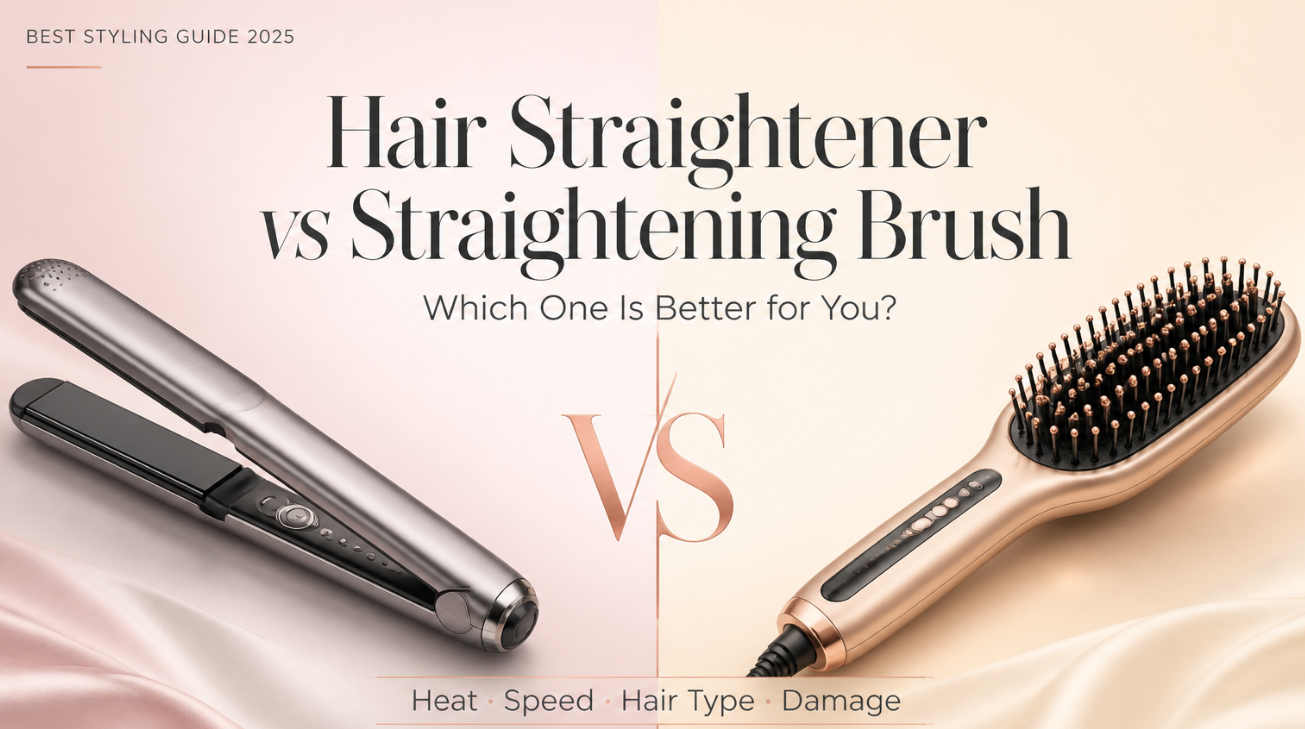
This guide breaks down the real differences so you can pick the right tool with confidence.