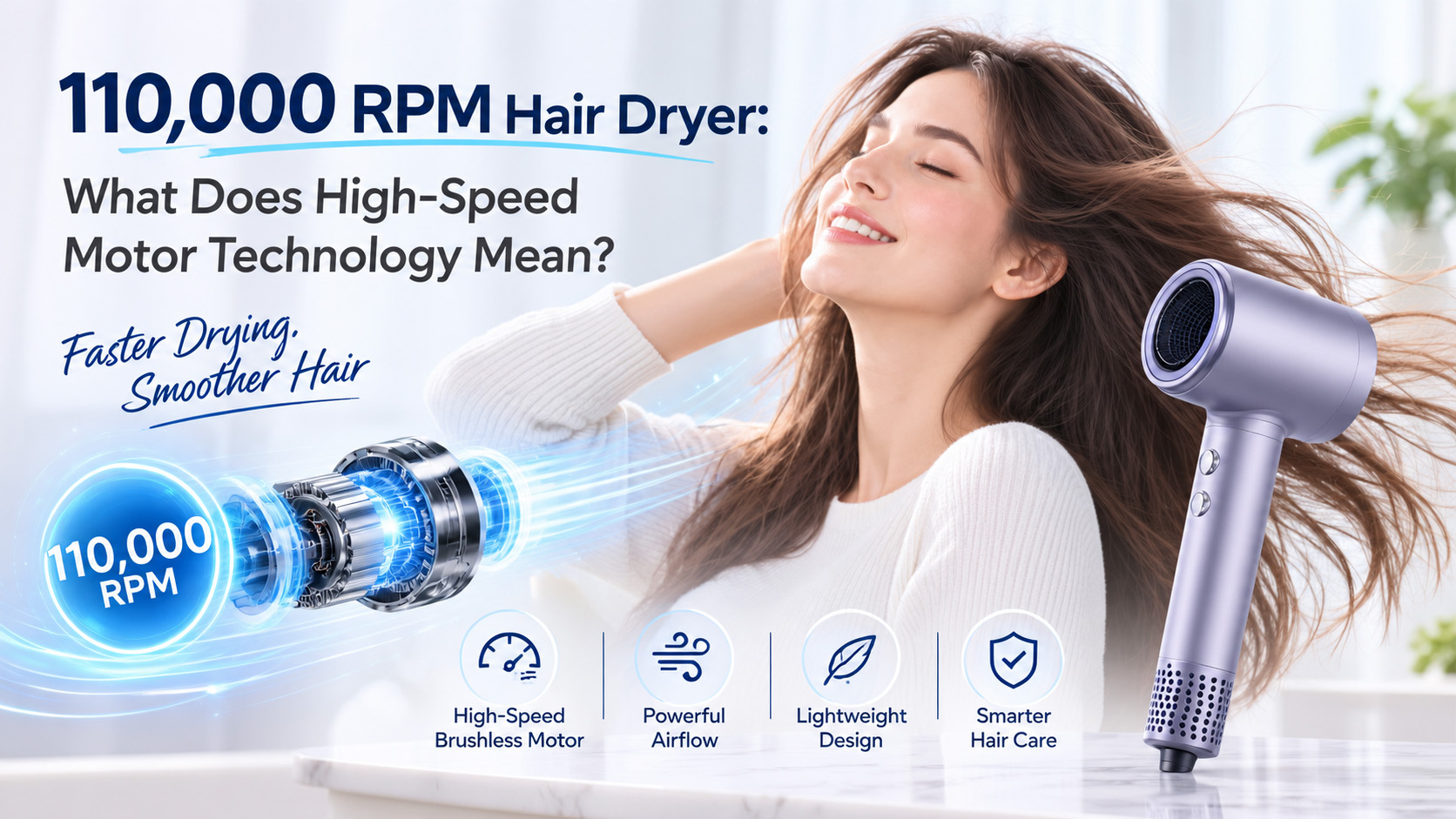
Quiet Hair Dryers: Low Noise Models for Home Use
Quiet Hair Dryers: Low Noise Models for Home Use
A hair dryer is an essential part of many daily hair care routines, but the noise can sometimes be just as noticeable as the airflow. A loud motor can disturb family members, wake a sleeping baby, or make early-morning and late-night styling uncomfortable.
This is why Quiet Hair Dryers: Low Noise Models for Home Use have become an increasingly attractive option for everyday hair care.
A quiet hair dryer is designed to reduce the perceived noise generated by the motor and airflow while still providing effective drying performance. Modern models may combine a high-speed motor, optimized airflow channels, acoustic design, and multiple speed settings to create a more comfortable drying experience.
In this guide, we will explain what makes a hair dryer quiet, whether low noise models still dry hair quickly, and how to choose the right quiet hair dryer for home use.

What Is a Quiet Hair Dryer?
A quiet hair dryer is a hair dryer engineered to produce less operating noise than conventional models.
Hair dryer noise generally comes from two main sources:
- Motor operation
- Turbulent airflow
Simply reducing motor power is not always the best way to make a dryer quieter. A well-designed low noise hair dryer aims to control both motor noise and airflow noise while maintaining useful drying performance.
This means a quiet hair dryer can provide a better balance between:
Power + airflow + comfort + noise control
Why Choose a Low Noise Hair Dryer for Home Use?
1. More Comfortable Daily Styling
A loud hair dryer can make the drying process unpleasant, especially when used every day.
A quiet hair dryer for home use creates a more comfortable environment while you dry, smooth, or style your hair.
This can be especially useful for:
- Morning routines
- Evening hair drying
- Shared bathrooms
- Small apartments
- Family households
2. Less Disturbance at Home
Noise becomes more noticeable when the surrounding environment is quiet.
A low noise hair dryer can be a practical choice when you need to dry your hair while other people are:
- Sleeping
- Working
- Studying
- Relaxing
It does not mean the dryer is completely silent, but lower operating noise can make everyday use less disruptive.
3. Better Experience for Children and Sensitive Users
Some people are particularly uncomfortable with loud or high-pitched appliance noise.
A quieter hair dryer can make hair-drying routines easier for:
- Children
- Older family members
- People sensitive to loud sounds
- Users who prefer a calmer styling environment
For families, choosing a quiet hair dryer for home use can therefore be about comfort as much as performance.
How Does a Quiet Hair Dryer Reduce Noise?
High-Speed Motor Design
Modern quiet hair dryers may use high-speed motors such as BLDC motors.
A well-designed high-speed motor can provide strong airflow while helping manufacturers optimize the sound produced during operation.
The goal is not simply to make the motor weaker. Instead, the motor and airflow system are designed to work efficiently together.
Optimized Airflow Channels
Airflow can create significant noise when it becomes turbulent.
Advanced hair dryers may use specially designed internal airflow channels to create a smoother air path.
This can help reduce unnecessary turbulence while maintaining strong airflow.
Acoustic and Structural Design
The internal structure of a hair dryer can also influence sound.
Manufacturers may optimize:
- Motor positioning
- Air inlet design
- Air outlet structure
- Internal insulation
- Housing construction
These design choices can contribute to a quieter overall experience.
Are Quiet Hair Dryers Still Powerful?
Yes.
A common misconception is that a quiet hair dryer must have weak airflow.
That is not necessarily true.
Modern low noise models can combine:
- High-speed motors
- Strong airflow
- Multiple speed settings
- Efficient heating systems
- Noise-reduction engineering
The important factor is how efficiently the motor and airflow system are designed.
A good quiet high-speed hair dryer should balance drying speed with acoustic comfort rather than sacrificing performance simply to reduce sound.
Quiet Hair Dryer vs Traditional Hair Dryer
| Feature | Quiet Hair Dryer | Traditional Hair Dryer |
|---|---|---|
| Operating noise | Lower | Often louder |
| Drying performance | Can be high | Varies |
| Home comfort | Excellent | Depends on model |
| Motor technology | Often advanced | Varies |
| Airflow control | Multiple settings | Basic to advanced |
| Suitable for daily use | Yes | Yes |
The biggest difference is the overall user experience.
A traditional dryer may provide strong airflow but produce more noticeable motor and airflow noise. A low noise hair dryer focuses on maintaining useful performance while making the experience more comfortable.

What Noise Level Is Considered Quiet for a Hair Dryer?
Understanding dB Ratings
Hair dryer noise is often measured in decibels (dB).
A lower dB value generally indicates lower sound pressure under the same measurement conditions.
However, when comparing products, the testing environment matters.
Different manufacturers may measure:
- At different distances
- Under different airflow settings
- In different acoustic environments
Therefore, consumers should not compare dB numbers without considering how the measurements were obtained.
A product advertised as a low noise hair dryer should ideally provide clear information about its noise measurement conditions.
Are Quiet Hair Dryers Good for Babies and Children?
Can You Use a Quiet Hair Dryer Around Children?
A lower-noise model may be more comfortable to use around children, but quiet does not mean silent.
If a child is sleeping, keep the dryer at a reasonable distance and use the lowest practical airflow and heat setting.
For children who are sensitive to noise, gradually introducing the sound and avoiding sudden high-speed airflow may also make the experience easier.
Are Quiet Hair Dryers Good for Nighttime Use?
Low Noise Hair Dryer for Late-Night Styling
One of the biggest advantages of a quiet hair dryer for home use is nighttime convenience.
If you need to dry your hair late at night, a low-noise model can help reduce disturbance compared with a louder conventional dryer.
For nighttime use, consider:
- Low airflow
- Low or medium heat
- Quiet motor design
- Short drying sessions
A quiet hair dryer cannot eliminate sound completely, but it can make late-night styling more comfortable.
Do Quiet Hair Dryers Dry Hair Slowly?
Not necessarily.
Drying speed depends on several factors, including:
- Airflow volume
- Air velocity
- Motor performance
- Heating power
- Hair thickness
- Hair length
- Starting moisture level
A quiet high-speed hair dryer can provide strong airflow while maintaining a lower-noise design.
For thick or long hair, look for a model that combines high airflow with adjustable temperature and speed settings rather than choosing a dryer based on noise level alone.
How to Choose the Best Quiet Hair Dryer for Home Use
1. Check the Noise Rating
If noise is your main concern, look for a clearly stated dB rating.
Ideally, check whether the manufacturer explains the test conditions.
2. Look for Adjustable Speed Settings
Multiple airflow settings allow you to reduce noise when maximum power is not required.
For example:
Low Speed
Best for:
- Fine hair
- Children
- Gentle finishing
Medium Speed
Best for:
- Everyday drying
- Normal hair
High Speed
Best for:
- Thick hair
- Long hair
- Faster drying
3. Choose Adjustable Heat Settings
A good quiet hair dryer should also give you control over temperature.
Multiple heat settings make it easier to adapt the dryer to different hair types.
A cool shot function is also useful for finishing a hairstyle.
4. Consider High-Speed Motor Technology
A high-speed motor can improve airflow efficiency.
For home users, a modern BLDC motor may provide a useful combination of:
- Strong airflow
- Fast drying
- Motor efficiency
- Compact design
When combined with noise-reduction engineering, it can create a powerful but more comfortable drying experience.
Quiet Hair Dryers for Different Hair Types
Fine Hair
Choose a quiet hair dryer with:
- Low heat
- Low or medium airflow
- Precise temperature control
Fine hair generally does not require maximum airflow.
Thick Hair
Look for:
- High airflow
- Powerful motor
- Multiple speed settings
- Effective heat control
A quiet high-speed hair dryer for thick hair can help shorten drying time without requiring maximum heat.
Long Hair
Long hair benefits from strong airflow because more moisture needs to be removed.
A quiet dryer with high airflow can help make the drying process faster while maintaining a more comfortable noise level.
Curly Hair
For curly hair, choose a model that supports a diffuser attachment and offers low-to-medium airflow.
This can help preserve the natural curl pattern while reducing excessive airflow disturbance.
Quiet Hair Dryer Features Worth Looking For
When choosing a low noise hair dryer for home use, consider these features:
Essential Features
- Low-noise motor design
- Multiple airflow speeds
- Multiple temperature settings
- Cool shot
- Strong airflow
- Lightweight construction
Advanced Features
- BLDC high-speed motor
- Ionic technology
- Plasma hair care technology
- Intelligent temperature control
- Magnetic styling attachments
- Removable rear filter
The best combination depends on your hair type and daily styling habits.
How to Make Your Hair Dryer Routine Quieter
Even with a quiet hair dryer, your surroundings and drying technique can affect perceived noise.
Use the Lowest Effective Speed
If your hair is already mostly dry, there is no need to keep using maximum airflow.
Lower airflow usually creates a more comfortable sound level.
Keep the Air Inlet Clean
A blocked or dirty filter can affect airflow efficiency and potentially change the sound produced by the dryer.
Clean the removable filter according to the manufacturer's instructions.
Avoid Unnecessary Maximum Heat
Using maximum heat and airflow throughout the entire drying process is often unnecessary.
Start with stronger airflow when appropriate, then reduce the settings as your hair becomes drier.
Frequently Asked Questions About Quiet Hair Dryers
Are quiet hair dryers actually quieter?
Yes. Low-noise models are specifically engineered to reduce operating sound through motor, airflow, and structural design. However, no conventional hair dryer is completely silent.
What is the quietest hair dryer for home use?
The best choice depends on both noise level and drying performance. Look for a model with a verified low dB rating, efficient motor, optimized airflow, and adjustable speed settings.
Are quiet hair dryers less powerful?
Not necessarily. A modern quiet high-speed hair dryer can provide strong airflow while using motor and airflow engineering to reduce unnecessary noise.
Is a quiet hair dryer good for thick hair?
Yes. Choose a model with strong airflow and multiple speed settings. High airflow can reduce drying time, while adjustable controls allow you to manage noise and heat.
Can I use a quiet hair dryer at night?
Yes. A low-noise model can be more suitable for nighttime use because it may reduce disturbance. However, it will still produce audible sound.
Are low noise hair dryers better for home use?
For many households, yes. A low noise hair dryer for home use can provide a more comfortable styling experience, particularly in shared spaces or during early-morning and late-night routines.
Conclusion: Are Quiet Hair Dryers Worth It?
Quiet Hair Dryers: Low Noise Models for Home Use offer a practical combination of comfort and performance.
A good quiet hair dryer does not simply reduce motor power. Instead, it uses improved motor technology, optimized airflow, sound-reduction design, and adjustable settings to create a quieter styling experience.
For everyday home use, look for a model that combines:
Low noise + strong airflow + adjustable heat + adjustable speed + efficient motor technology.
If you regularly dry your hair early in the morning, late at night, or around other family members, upgrading to a quiet hair dryer can make your daily hair care routine noticeably more comfortable.

📬 Contact Information
Contact Person: Jenny
Tel / WhatsApp / WeChat: +86 137 1719 2238
Address: No.27, Bei'an South Road. HuangjiangTown,Dongguan city
For partnership inquiries, distribution, private label OEM, or large-scale projects, please reach out directly.
Welcome to Hongya!
17+ years OEM/ODMproduction experience.
Main products include: HairDryers, Hot Air Brush, HairStraighteners, Hair Curlers,Hair Straightener Brushes,etc.
20+R&D staff
280+ employees.
15000+ ㎡ factories.
100,000+ PCS MonthlyProduction.
Currently developing200+ products.
Patents/Certifications support Online Query.
Hair Dryer Concentrator & Diffuser:When To Use Each Attachment
How to Dry Long Hair Fast Without Causing Split Ends
Related Article
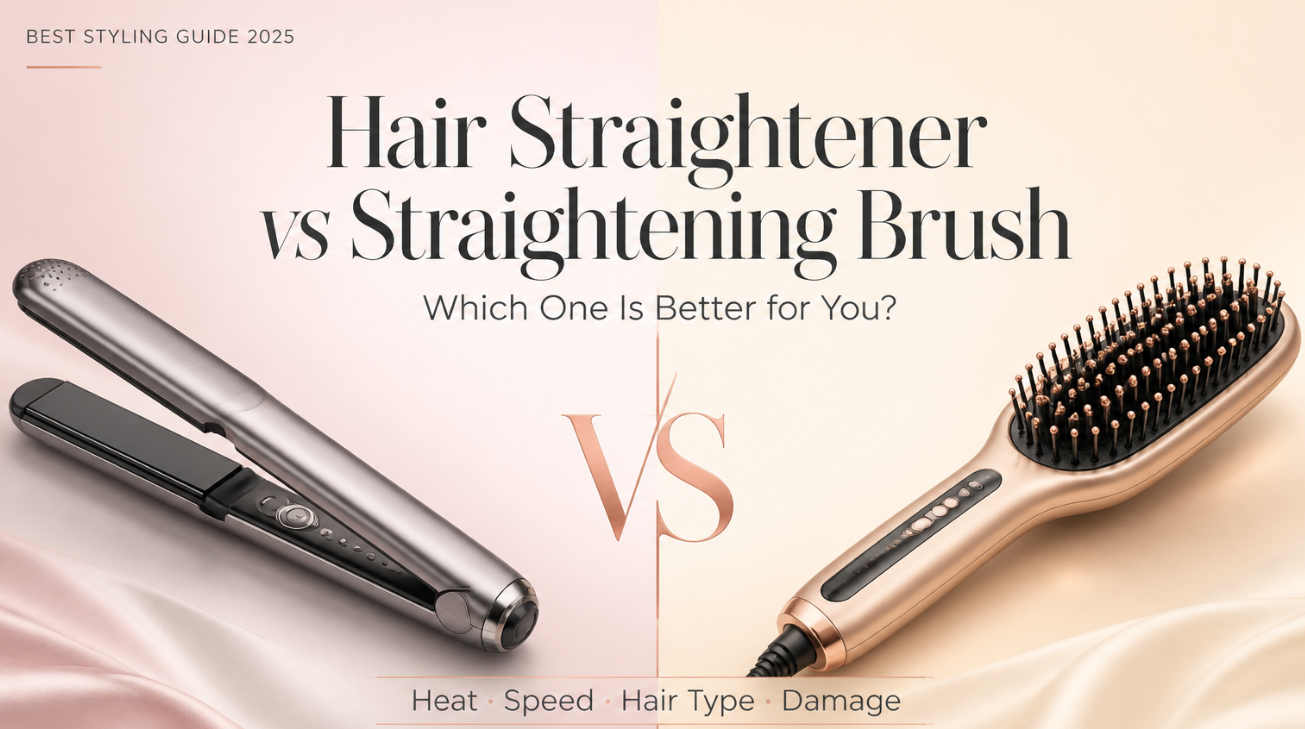
This guide breaks down the real differences so you can pick the right tool with confidence.